Trimbakeshwar Temple Rishikesh – A Spiritual Landmark on the Banks of the Ganges
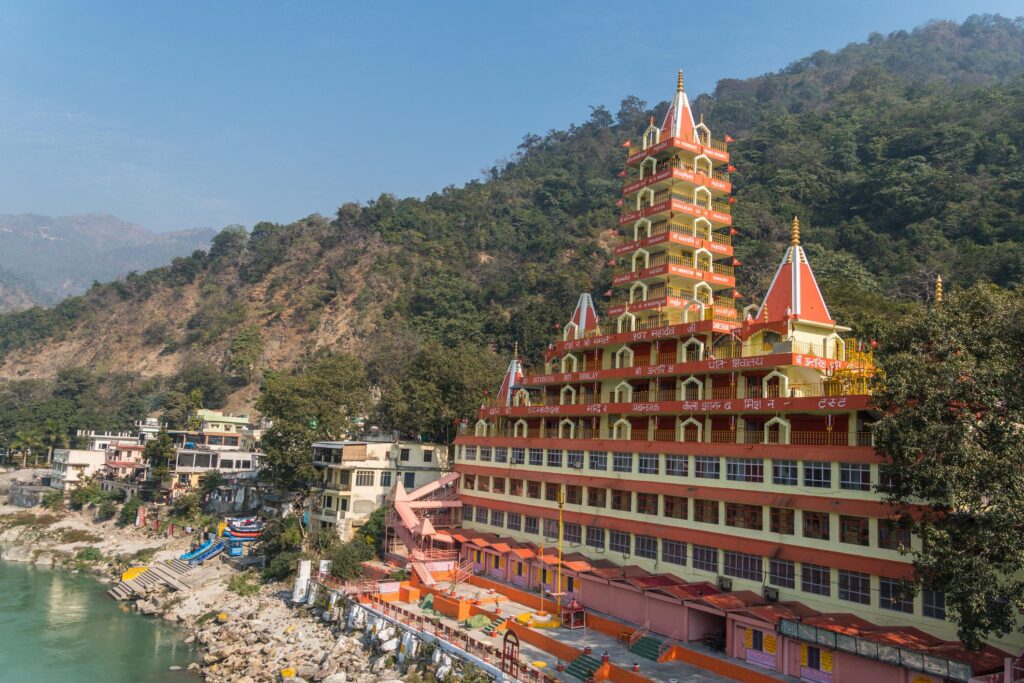
Nestled on the sacred banks of the River Ganga, the magnificent Trimbakeshwar Temple is one of the most iconic spiritual landmarks in Rishikesh. Popularly known as the Tera Manzil Temple or 13-Storey Temple, this architectural marvel attracts thousands of devotees, pilgrims, and tourists every year. Its colorful structure, breathtaking views of the Ganges, and deep spiritual significance make it one of the must-visit destinations in Rishikesh.
Whether you are a spiritual seeker, a photography enthusiast, or a traveler exploring the beauty of Uttarakhand, Trimbakeshwar Temple offers a memorable experience that combines faith, culture, and scenic beauty.
The Story of Trimbakeshwar Temple, Rishikesh
The Trimbakeshwar Temple, popularly known as Tera Manzil Temple (13-Storey Temple), is one of the most recognizable spiritual landmarks in Rishikesh. Situated near Lakshman Jhula, the temple attracts devotees and travelers with its unique architecture and sacred atmosphere. According to local traditions, the temple was established under the guidance of the great Hindu philosopher and saint Adi Shankaracharya. The temple was built as a place where devotees could worship multiple Hindu deities in a single complex. Unlike traditional temples dedicated to one deity, Trimbakeshwar Temple houses shrines to Lord Shiva, Lord Vishnu, Goddess Durga, Lord Ganesha, Hanuman Ji, and many other gods and goddesses. The name “Trimbakeshwar” is associated with Lord Shiva. The word “Tri” means three, and “Ambaka” refers to eyes, symbolizing Shiva as the three-eyed deity who represents wisdom, power, and spiritual awakening. One of the most fascinating aspects of the temple is its thirteen floors. Each floor contains different shrines and sacred idols, allowing pilgrims to experience a spiritual journey as they ascend through the building. As visitors climb higher, they are rewarded with breathtaking views of the holy Ganga River, the surrounding Himalayan foothills, and the town of Rishikesh. Over the years, Trimbakeshwar Temple has become more than a place of worship. It serves as a symbol of Rishikesh’s rich spiritual heritage and attracts yogis, pilgrims, and tourists from around the world. During Hindu festivals such as Maha Shivaratri and Shravan month, the temple comes alive with special prayers, devotional singing, and religious celebrations. Today, the temple stands as a testament to faith, devotion, and architectural beauty. Its colorful façade, peaceful surroundings, and deep spiritual significance make it one of the must-visit destinations in Rishikesh.
History of Trimbakeshwar Temple
Trimbakeshwar Temple is dedicated to Lord Shiva, one of the principal deities of Hinduism. The temple is believed to have been established by the revered saint Adi Shankaracharya. Over the years, it has become a prominent center of worship and spiritual learning in Rishikesh. The temple’s unique multi-storey design sets it apart from traditional temples. Each floor houses different shrines dedicated to various Hindu gods and goddesses, making it a complete spiritual destination where devotees can seek blessings from multiple deities under one roof. Located near the famous Lakshman Jhula, the temple enjoys a prime position overlooking the holy river and the surrounding Himalayan foothills.
Why is Trimbakeshwar Temple Famous?
Trimbakeshwar Temple is famous for several reasons:
- Unique 13-Storey Architecture
The temple’s towering structure is visible from a distance and has become one of the most recognizable landmarks of Rishikesh. Unlike most temples, it consists of thirteen floors, each dedicated to different deities.
- Panoramic Views
Visitors can climb to the upper floors and enjoy spectacular views of the Ganges River, Lakshman Jhula, and the surrounding hills. The view during sunrise and sunset is particularly mesmerizing.
- Spiritual Importance
The temple is dedicated primarily to Lord Shiva but also houses shrines dedicated to Lord Vishnu, Goddess Durga, Lord Ganesha, Hanuman Ji, and many other deities.
- Cultural Significance
The temple reflects the rich spiritual heritage of Rishikesh, often referred to as the “Yoga Capital of the World.” Pilgrims from across India and around the world visit the temple to experience its divine atmosphere.
Architectural Beauty
One of the first things visitors notice about Trimbakeshwar Temple is its vibrant exterior. Painted in bright colors, the temple stands majestically against the backdrop of the Himalayas.
Inside, every floor features beautifully crafted idols, intricate carvings, and spiritual symbols. The temple’s vertical design allows visitors to explore different levels, each offering a unique spiritual experience.
As you ascend the temple, you can witness stunning views from balconies and windows overlooking the sacred Ganga. The blend of architecture, devotion, and natural beauty creates an unforgettable atmosphere.
Things to Do at Trimbakeshwar Temple
Seek Blessings
Devotees visit the temple to offer prayers and seek blessings from Lord Shiva and other deities.
Enjoy the Scenic Views
The higher floors provide panoramic views of Rishikesh, making them a favorite spot for photography enthusiasts.
Explore Different Shrines
Each floor contains temples dedicated to different gods and goddesses. Exploring these shrines provides insight into Hindu mythology and traditions.
Meditation and Spiritual Reflection
The peaceful ambiance of the temple makes it an excellent place for meditation and self-reflection.
Visit Nearby Attractions
Several popular attractions are located near the temple, including Lakshman Jhula, Ram Jhula, Parmarth Niketan, and the Ganga Ghats.
Best Time to Visit
The best time to visit Trimbakeshwar Temple is from September to April when the weather remains pleasant and ideal for sightseeing.
Summer (March to June)
Warm temperatures make early morning and evening visits more comfortable.
Monsoon (July to August)
The surrounding hills become lush and green, although occasional heavy rainfall may affect travel plans.
Winter (October to February)
The cool weather and clear skies provide the best conditions for exploring the temple and nearby attractions.
Temple Timings
The temple generally remains open from early morning until evening. Visitors are advised to check local timings before planning their visit, especially during festivals and special occasions.
How to Reach Trimbakeshwar Temple
By Air
The nearest airport is Jolly Grant Airport in Dehradun, approximately 20 kilometers from Rishikesh.
By Train
The nearest railway station is Rishikesh Railway Station. Haridwar Railway Station, about 25 kilometers away, offers better connectivity to major Indian cities.
By Road
Rishikesh is well connected by road with Delhi, Haridwar, Dehradun, and other major cities. Local taxis, auto-rickshaws, and shared vehicles are easily available.
Travel Tips
- Wear comfortable footwear as you may need to climb several floors.
- Dress modestly while visiting the temple.
- Carry a water bottle during summer months.
- Visit during early morning hours to avoid crowds.
- Respect temple customs and maintain silence inside prayer areas.
Conclusion
Trimbakeshwar Temple is much more than a place of worship; it is a symbol of Rishikesh’s spiritual soul. Its striking architecture, sacred atmosphere, panoramic views, and religious significance make it one of the most rewarding places to visit in the city. Whether you are seeking divine blessings, cultural exploration, or simply a peaceful escape amidst nature, Trimbakeshwar Temple promises an enriching and unforgettable experience.
A visit to Rishikesh is truly incomplete without exploring this remarkable temple that beautifully blends devotion, history, and breathtaking scenery.